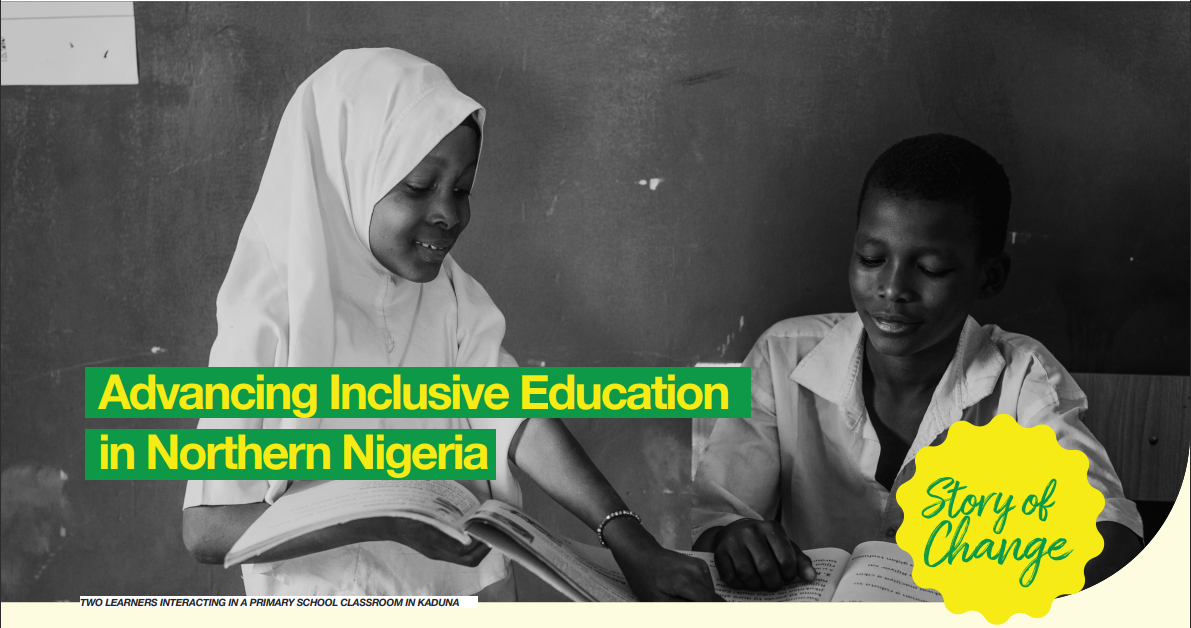
Advancing Inclusive Education in Northern Nigeria.

Through sensitisation and capacity-building efforts supported by the UK-funded Partnership for Learning for All in
Nigeria (PLANE) programme, education administrators in Jigawa, Kaduna and Kano states are increasingly integrating
gender and social inclusion (GESI) principles into basic education planning and delivery. This reflects a growing
commitment to building a more inclusive and equitable learning environment across the three states. New initiatives
are emerging.

Scaling What Works: Accelerated Learning Holiday Camps As a Strategy for Strengthening Foundational Learning in Nigeria.

PLANE’s Accelerated Learning Holiday Camps demonstrate concrete evidence-based examples of what is possible when school holidays are used deliberately to support learning recovery in environments where there is high learning loss.

This pilot model and related evidence demonstrate that short, structured and activity-based learning cycles can produce measurable improvements in literacy and numeracy within a few weeks, while also rebuilding learner confidence and strengthening community engagement with schools.
As PLANE’s role evolves, this learning brief is intended to serve as a practical reference and guide for state governments and partners seeking to adopt, adapt and institutionalise the model within their own foundational learning strategies, contributing to sustained progress for all children across Nigeria.

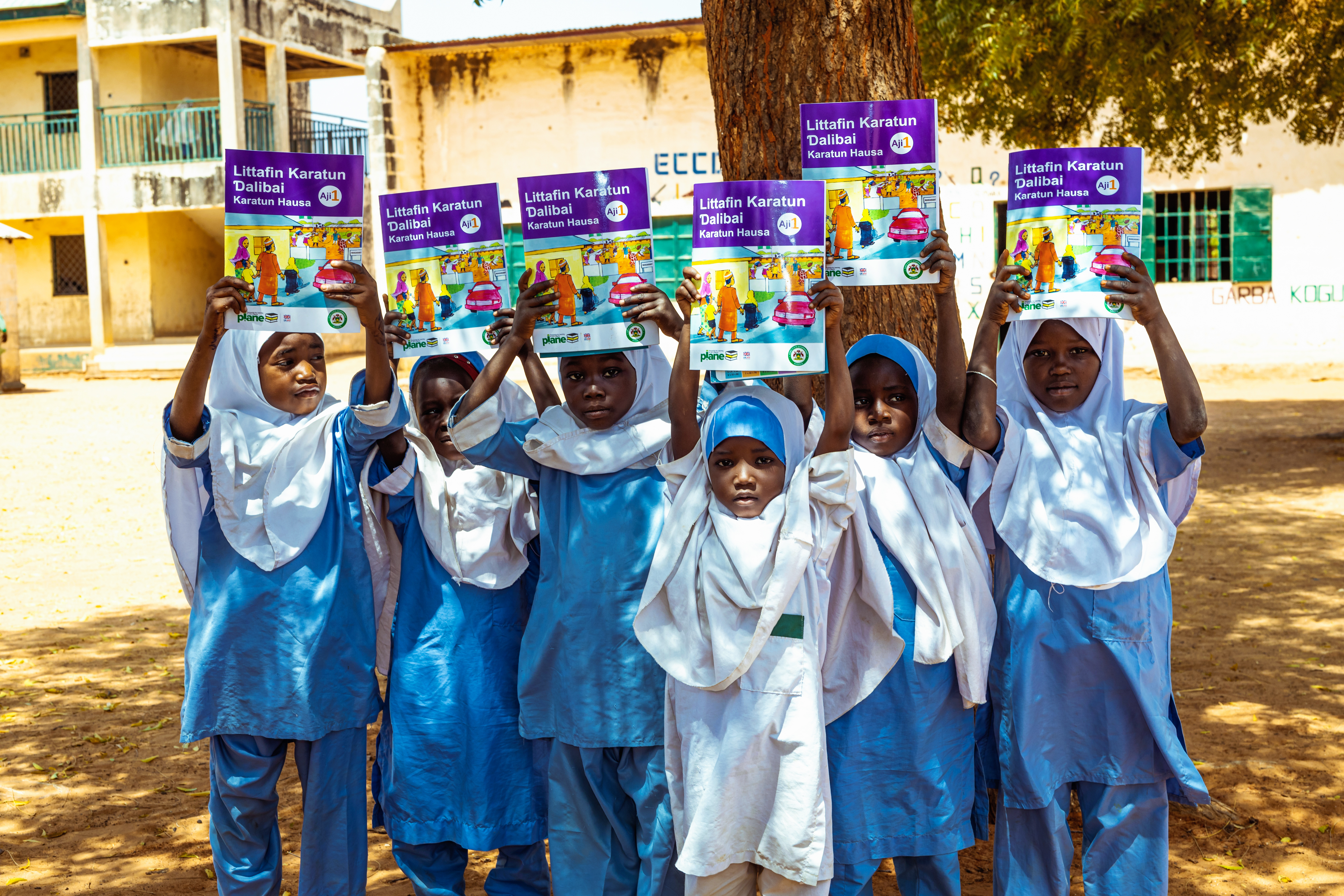
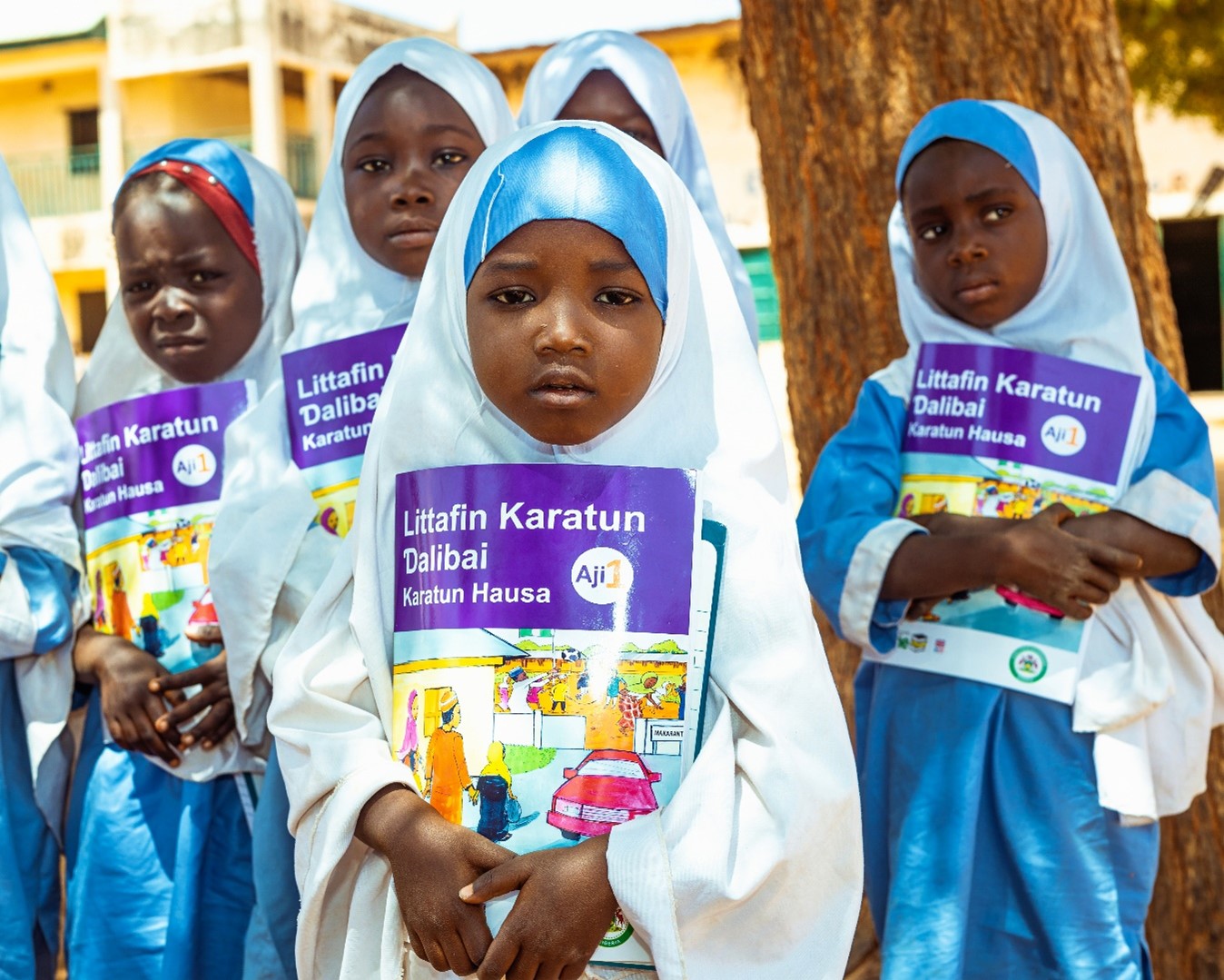
Learners holding a PLANE book

FCDO-PLANE Quarterly Newsletter (September 2025)

We are delighted to announce the relaunch of PLANE’s external newsletter, beginning this September 2025. More than just an update, we hope this quarterly edition of our newsletter will be a platform to further support coordination with our stakeholders in the education sector, amplifying voices, celebrating partnerships, and reflecting on the positive impact we are achieving together across our programme areas.

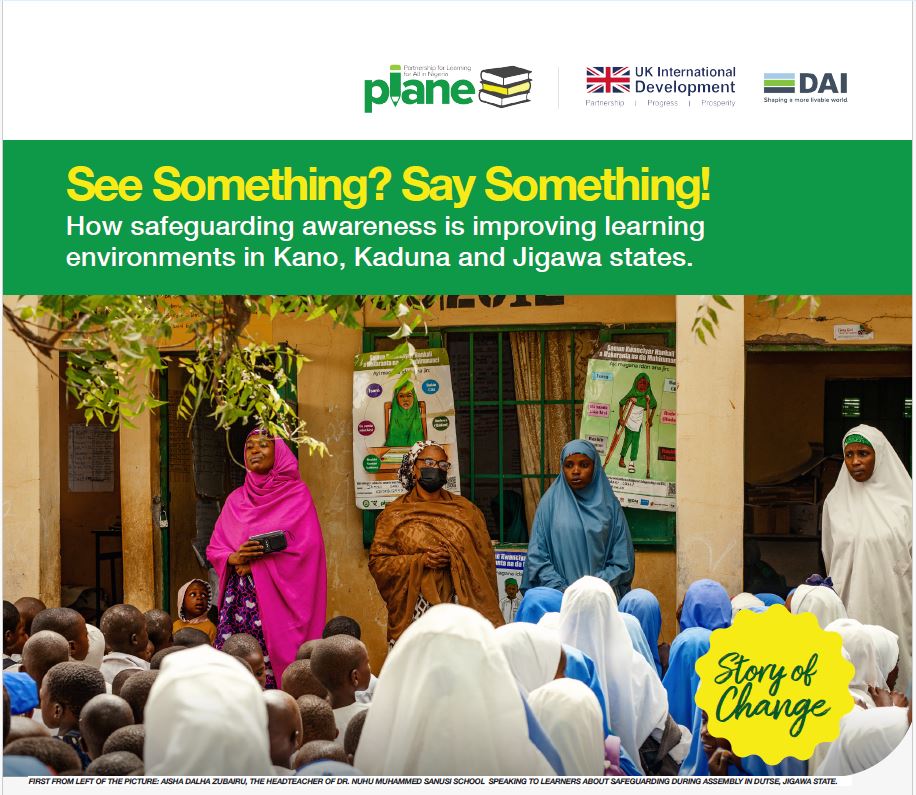
See Something? Say Something!

In Jigawa, Kaduna, and Kano states, a quiet but powerful movement is taking root. Education gatekeepers – including headteachers, teachers, administrators, and social mobilisation officers are leading efforts to protect children both in schools and communities.

It began with targeted safeguarding training and continued support from the UK-funded Partnership for Learning for All in Nigeria (PLANE) programme. Armed with knowledge and a renewed sense of responsibility, these gatekeepers are now raising awareness about the importance of child protection.

Kano Govt Scales Up PLANE’s Intervention to Five LGAs

Since its inception, the UK-funded Partnership for Learning for All (PLANE) programme has
supported Kano State in improving learning outcomes for children, with efforts focused
on four LGAs: Gabasawa, Karaye, Minjibir, and Takai. Following positive results, the state
government is expanding the programme to five more LGAs: Danbatta, Gaya, Gwarzo,
Madobi, and Makoda, partnering with PLANE to train teachers and producing 5,000 copies of
Mathematics and Literacy Teacher Guides.

PLANE’s Teaching and Learning Approach in Foundational Literacy and Numeracy

Foundational skills of reading, writing and mathematics set children on the path to success and lifelong learning. Yet, despite the recommendation by the United Nations that every child should have these skills by the age of 10, almost 90 per cent of children in sub-Saharan Africa are lagging behind. In Nigeria, about 70% of children have difficulty reading or understanding simple text (UNICEF, 2022).

With millions of children out-of-school in Nigeria, many of those currently in school are also not learning as they should. About half of those who attend primary schools, which is constitutionally compulsory and free, do not achieve basic proficiency in literacy and numeracy. In the northern part of the country, the percentage drops even further, with only 10% of 7–14-year-olds in the Northwest and 12% in the Northeast able to read. The learning crisis in Nigeria is fueled by many factors, including overcrowded classrooms, lack of competent teachers, shortage of learning materials in schools, and poor infrastructure. In this paper, we explore how the FCDO-funded Partnership for Learning for All in Nigerian (PLANE) programme is transforming foundational skills education in target states through the adoption of evidence-based instruction and learning materials, ongoing monitoring, and community support.

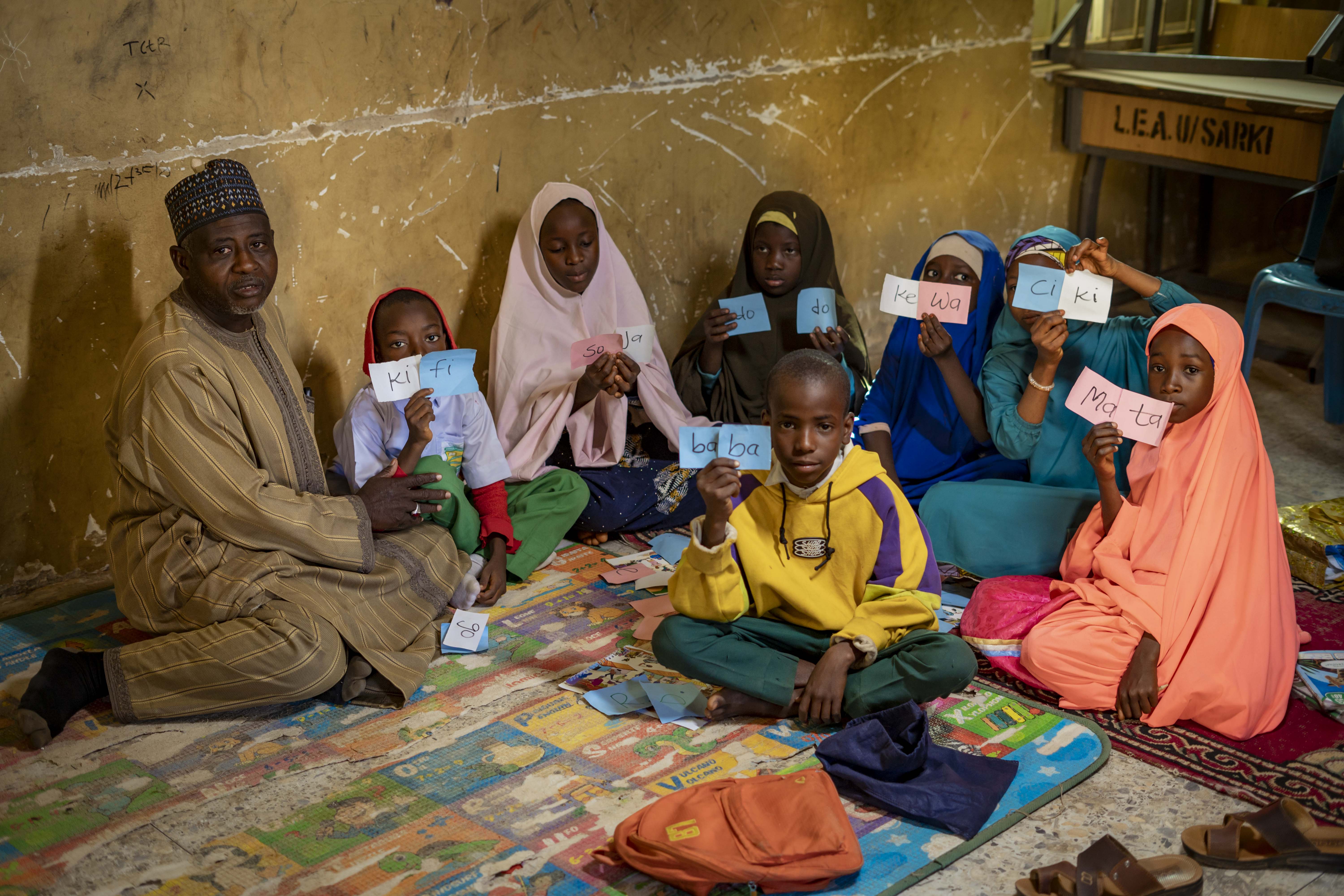
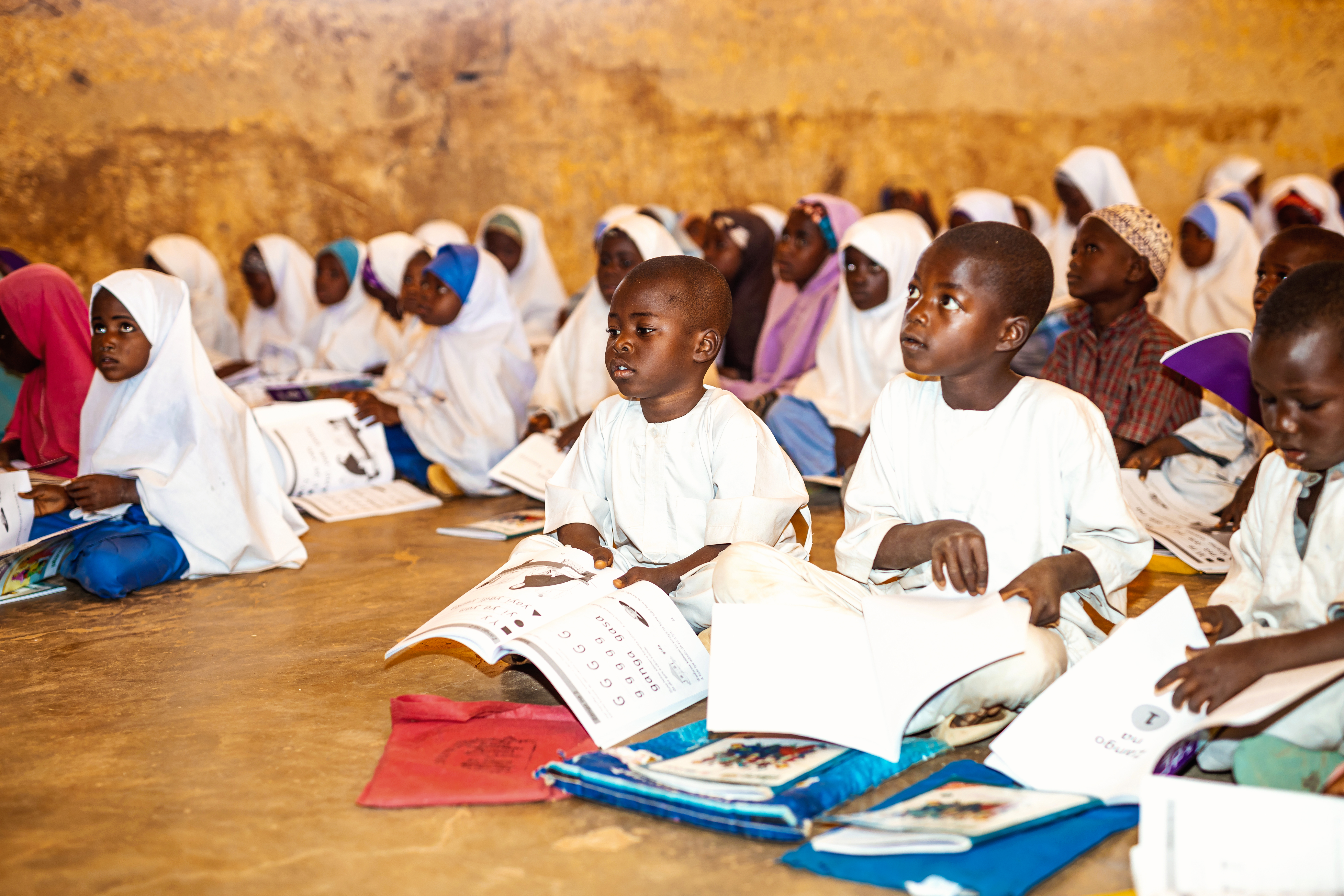
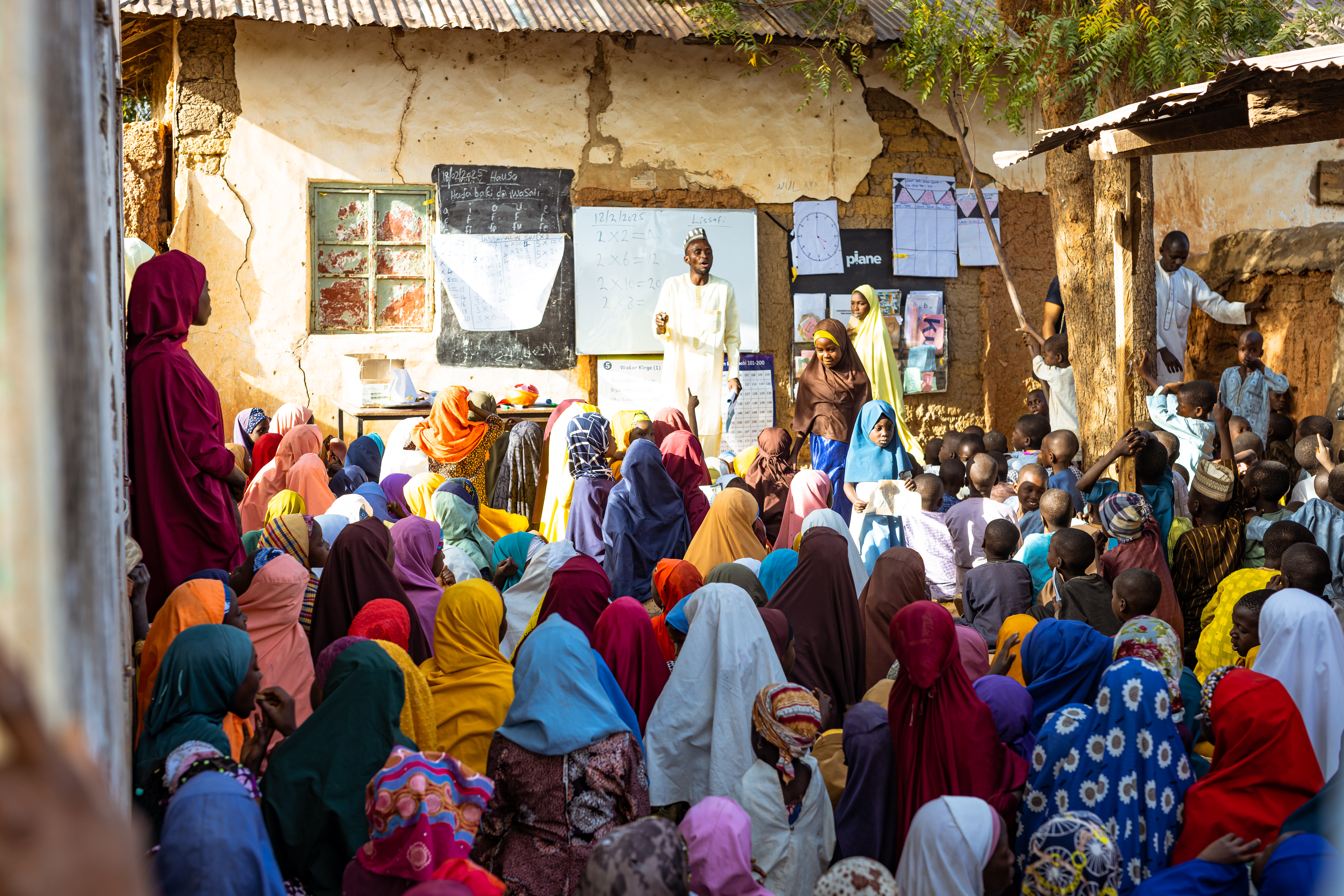
LEARNERS AT THE HOLIDAY CAMP IN KARAYE LGA, KANO STATE, ALONGSIDE TEACHERS AND OTHER SUPPORTING OFFICIALS

Learning with Fun During School Vacation

Learning loss remains a significant challenge in Nigeria, particularly in the northern regions where the academic calendar is frequently disrupted due to factors such as floods, farming seasons and socio-cultural practices. To help children recover lost learning time and provide struggling learners with a chance to catch up outside regular school hours, the Partnership for Learning for All in Nigeria (PLANE) piloted an Accelerated Learning Holiday Camp in December 2024 in Jigawa, Kaduna and Kano states. At least 11,597 pupils (51 percent being girls) participated in the programme, which was held in 300 camps across the three states. Assessments conducted at the end of the camp showed significant improvement in the abilities of the learners. Download to read more.

National Policy on Non-State Schools in Nigeria (NPNSN) with its Implementation Guidelines

Non-state Schools in Nigeria (NSN), also known a independent/private schools, or non-government schools, are educational institutions that are not directly funded or managed by the government. They are typically financed by tuition payments, as well as donations from individuals, businesses, communities, faith-based organisations, and foundations.

Executive Summary of the National Policy on Non-State Schools in Nigeria (NPNSN)

The National Policy on Non-State Schools in Nigeria (NPNSN) 2024 was initiated by the Federal Ministry of Education in collaboration with state governments, the Non-state Schools Association (NSA), and other stakeholders. It was developed in response to the growing role and challenges of non-state schools in Nigeria (NSNs). The Federal Government, through the Universal Basic Education (UBEC) Act of 2004, is supporting states to improve education at the basic and post-basic levels. The Universal Basic Education (UBE) initiative in Nigeria is designed to enhance education accessibility and quality, essential for national development.

Nigeria Accelerated Basic Education Programme (ABEP) Scalability Study Final Report

Nigeria faces a critical challenge with out-of-school children (OOSC), with 2023 estimates indicating that 8.9 million primary school-age children and 3.9 million junior secondary school-age children are not attending school.1 While the majority of OOSC are concentrated in the northeast and northwest, numbers are rising in other regions, including the south.2 Despite long-standing recognition of […]

DELVe Technical Report School Opening in Kaduna and Jigawa States

This School Opening (SO) study is the second report of the Human Development Evaluation Learning and Verification Service (DELVe) Technical Assistance and Research workstream on School Opening and Attendance (SOA) for the Partnership for Learning for All in Nigeria (PLANE) Portfolio programmes, FCDO Nigeria’s flagship education programme. FCDO commissioned this Phase 2 School Opening (SO2) […]

PLANE’s Year 2 Learning Outcomes Results in Kano State

In 2023-2024, PLANE worked with Kano State to implement Foundational Learning in four local government areas (LGAs): Gabasawa, Karaye, Minjibir, and Takai, reaching 151,370 children in Primary 1-3 in 532 schools. The programme also implemented Accelerated Learning (AL) in seven LGAs: Bichi, Bunkure, Dawakin Tofa, Rimin Gado, Ungogo, Warawa, and Wudil, reaching 113,641 pupils in Primary 4, 5, and 6in 580 schools. In October 2023 and July 2024, PLANE and government partners collected learning outcomes data in sample schools.