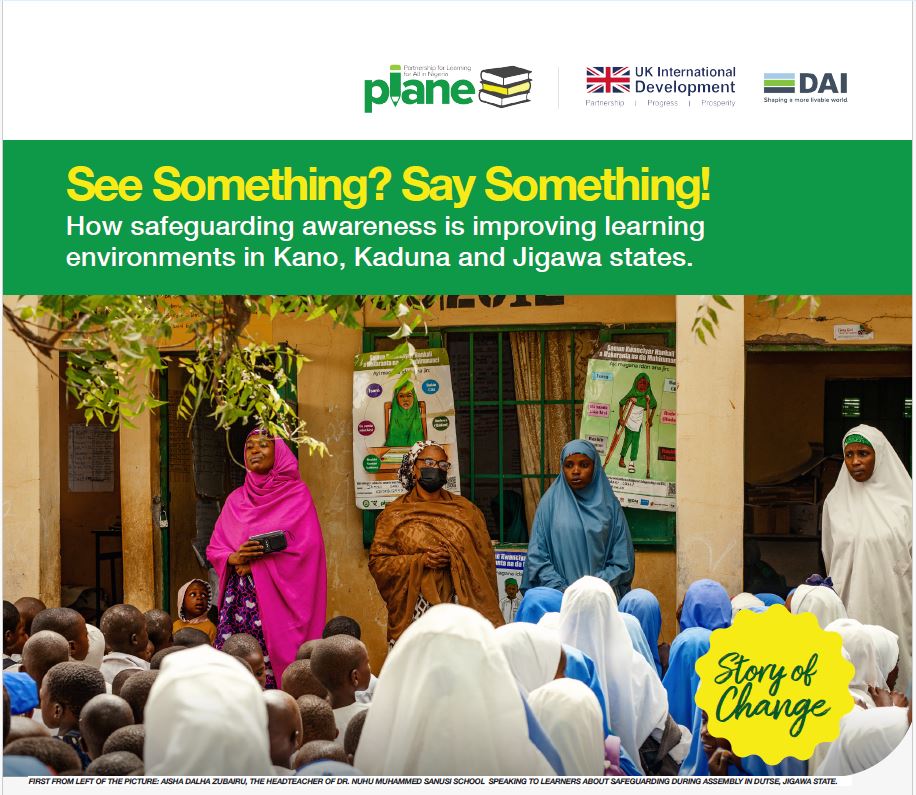
See Something? Say Something!

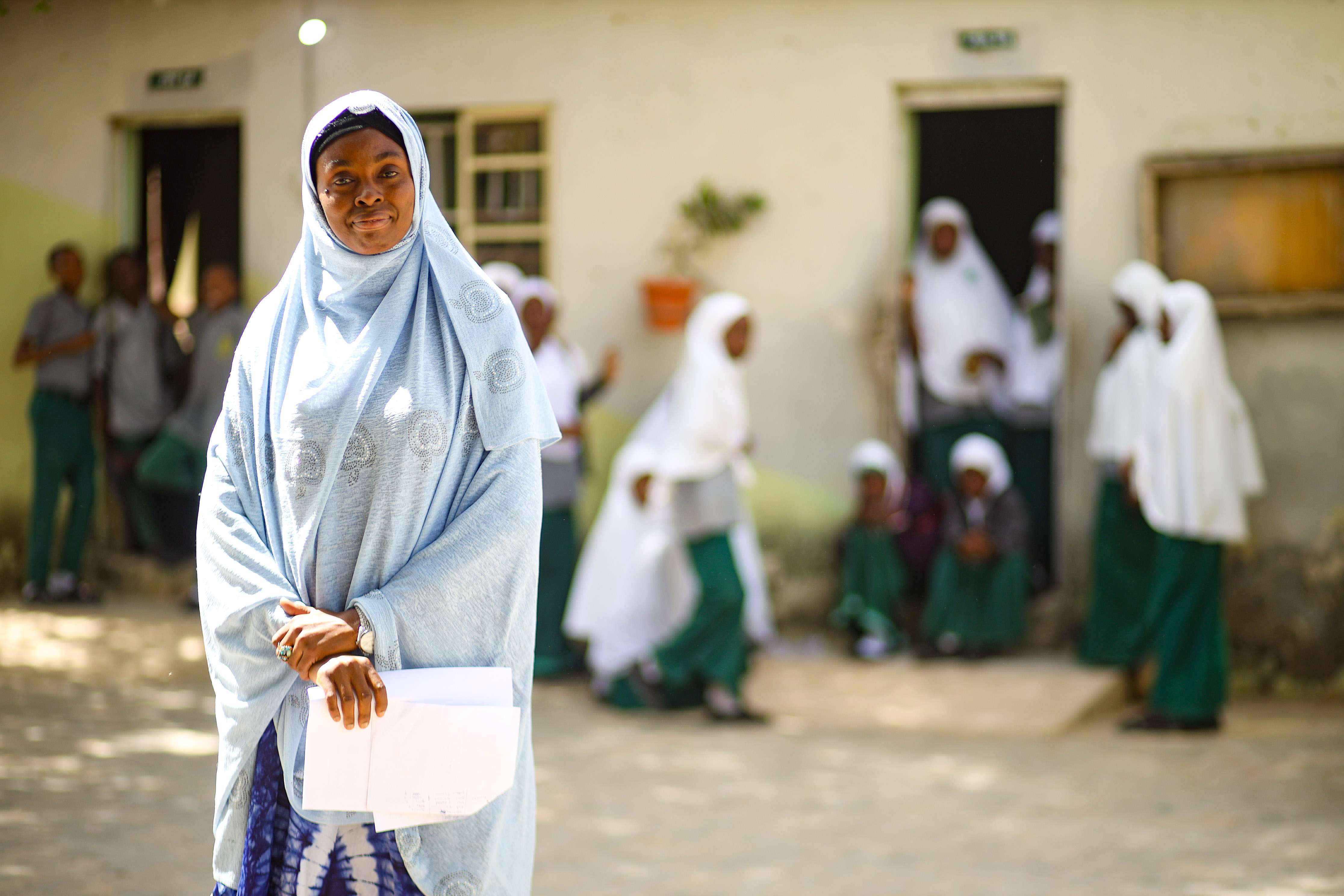
In Jigawa, Kaduna, and Kano states, a quiet but powerful movement is taking root. Education gatekeepers – including headteachers, teachers, administrators, and social mobilisation officers are leading efforts to protect children both in schools and communities.

It began with targeted safeguarding training and continued support from the UK-funded Partnership for Learning for All in Nigeria (PLANE) programme. Armed with knowledge and a renewed sense of responsibility, these gatekeepers are now raising awareness about the importance of child protection.

Kano Govt Scales Up PLANE’s Intervention to Five LGAs

Since its inception, the UK-funded Partnership for Learning for All (PLANE) programme has
supported Kano State in improving learning outcomes for children, with efforts focused
on four LGAs: Gabasawa, Karaye, Minjibir, and Takai. Following positive results, the state
government is expanding the programme to five more LGAs: Danbatta, Gaya, Gwarzo,
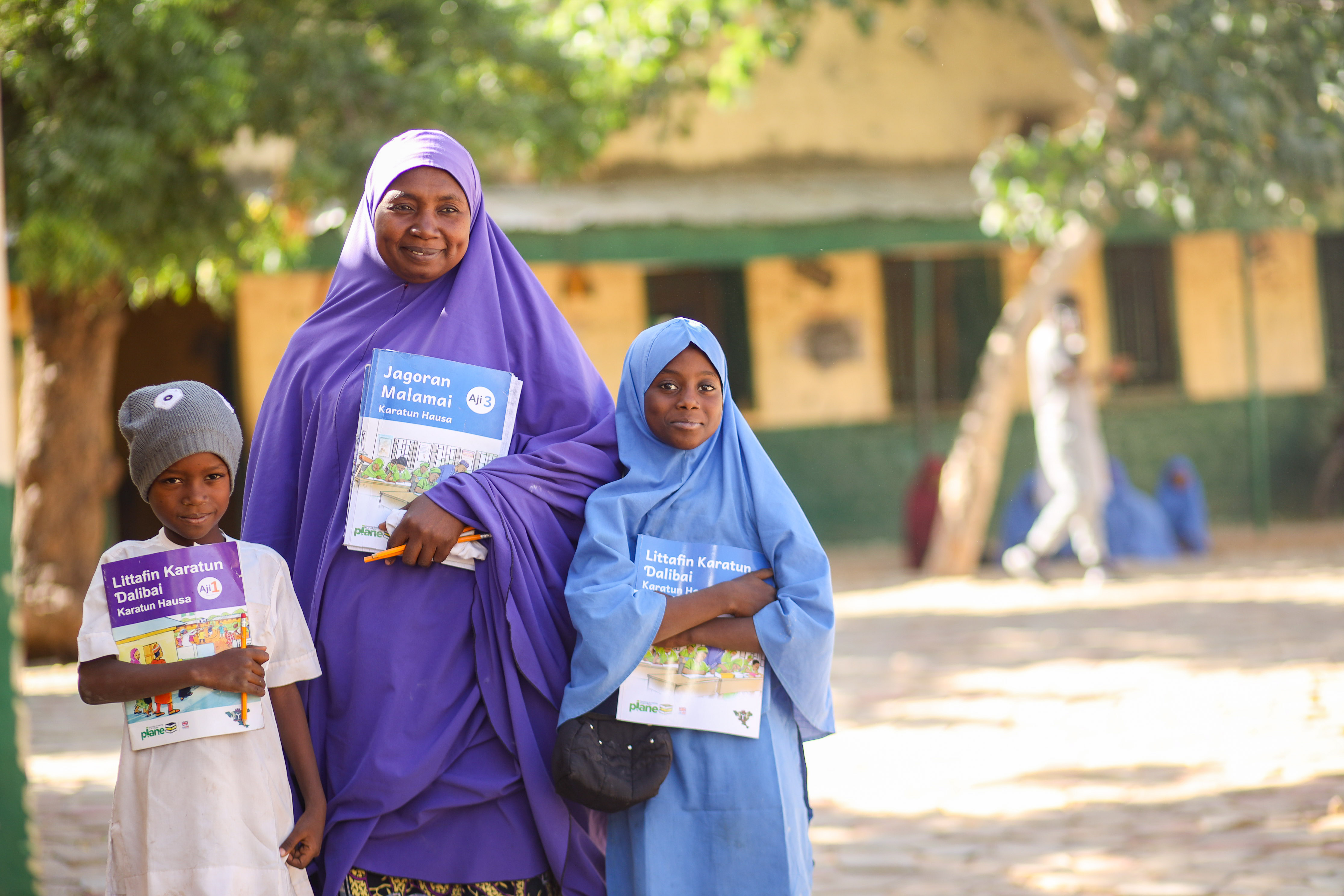
Madobi, and Makoda, partnering with PLANE to train teachers and producing 5,000 copies of
Mathematics and Literacy Teacher Guides.

PLANE’s Teaching and Learning Approach in Foundational Literacy and Numeracy

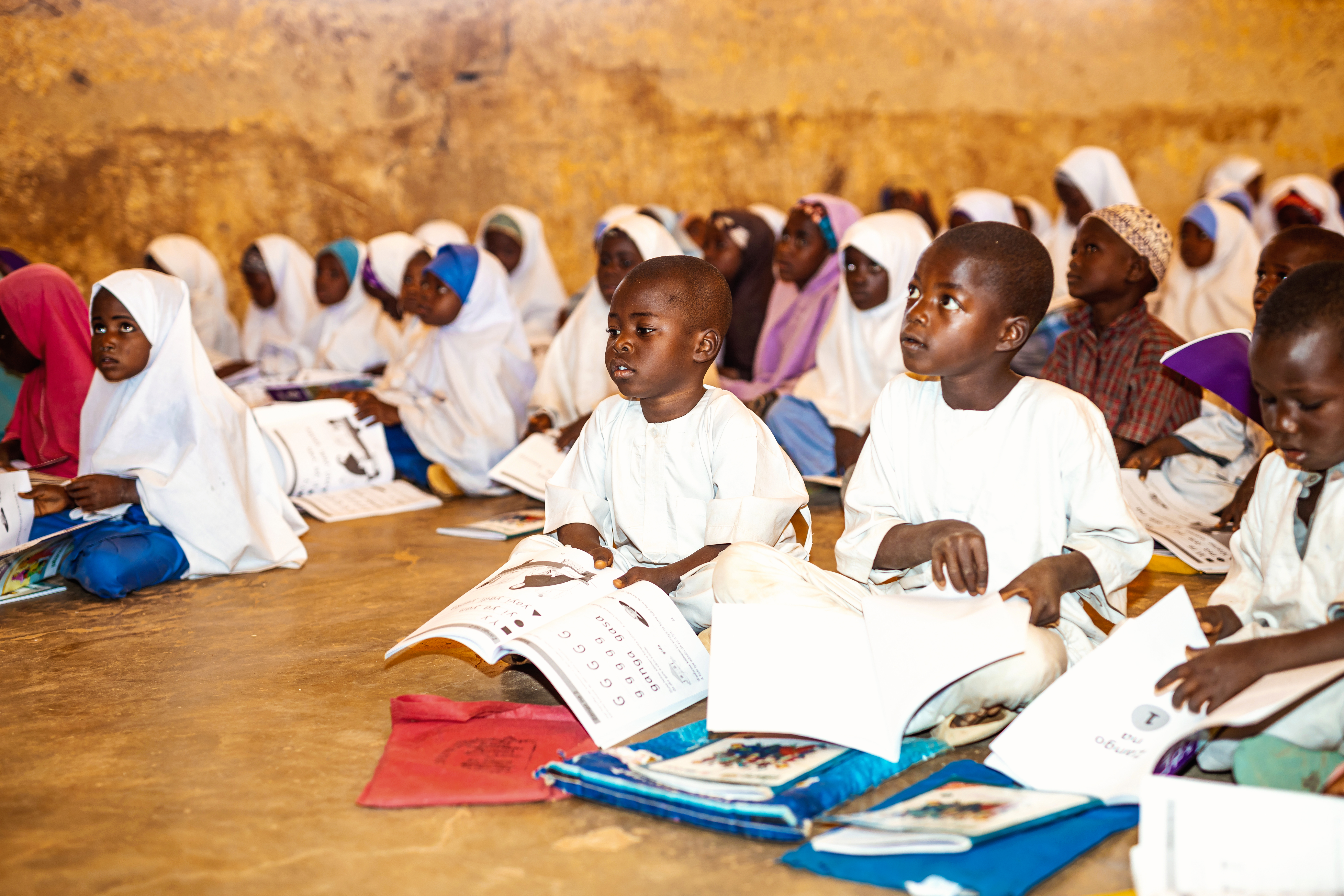
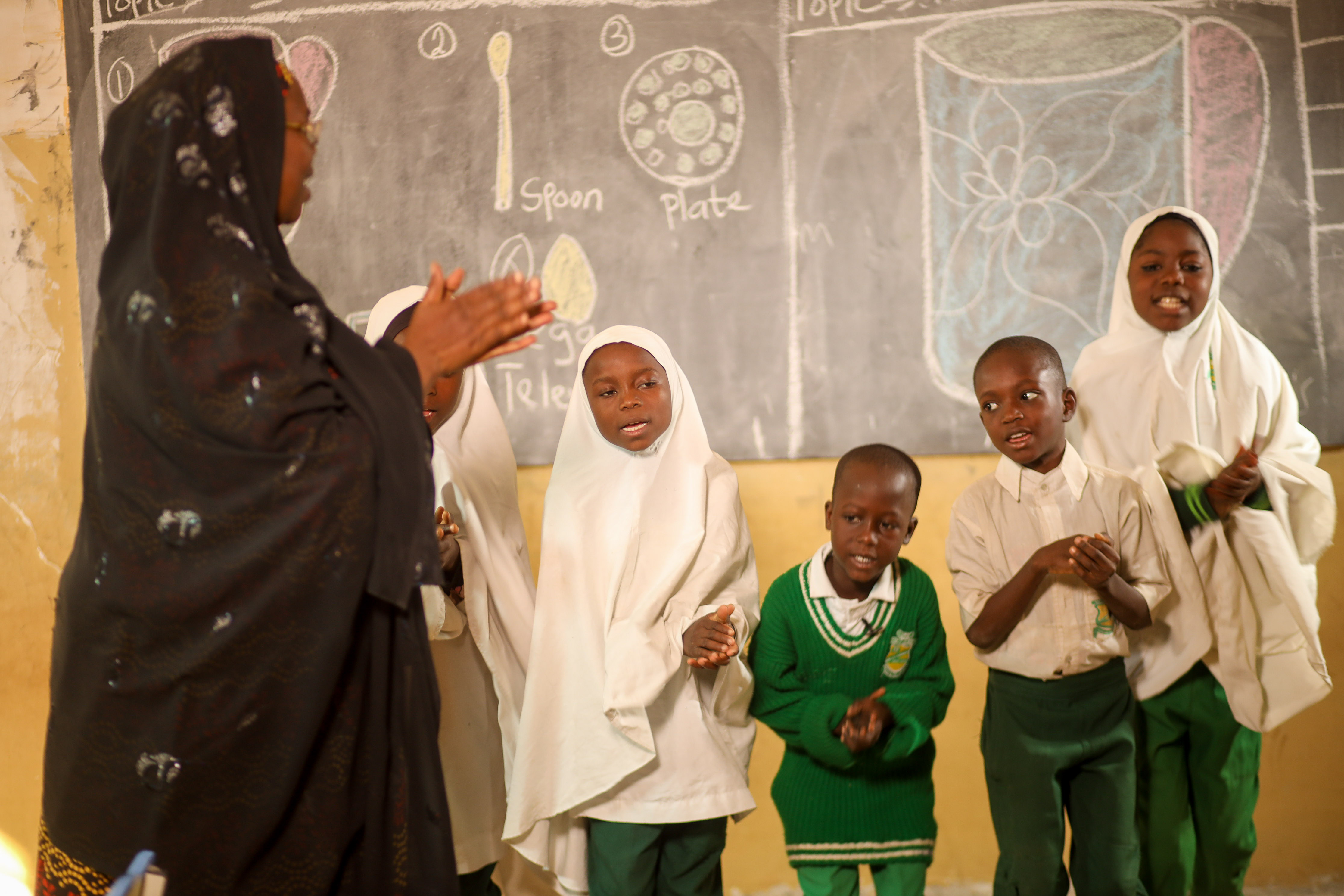
Foundational skills of reading, writing and mathematics set children on the path to success and lifelong learning. Yet, despite the recommendation by the United Nations that every child should have these skills by the age of 10, almost 90 per cent of children in sub-Saharan Africa are lagging behind. In Nigeria, about 70% of children have difficulty reading or understanding simple text (UNICEF, 2022).

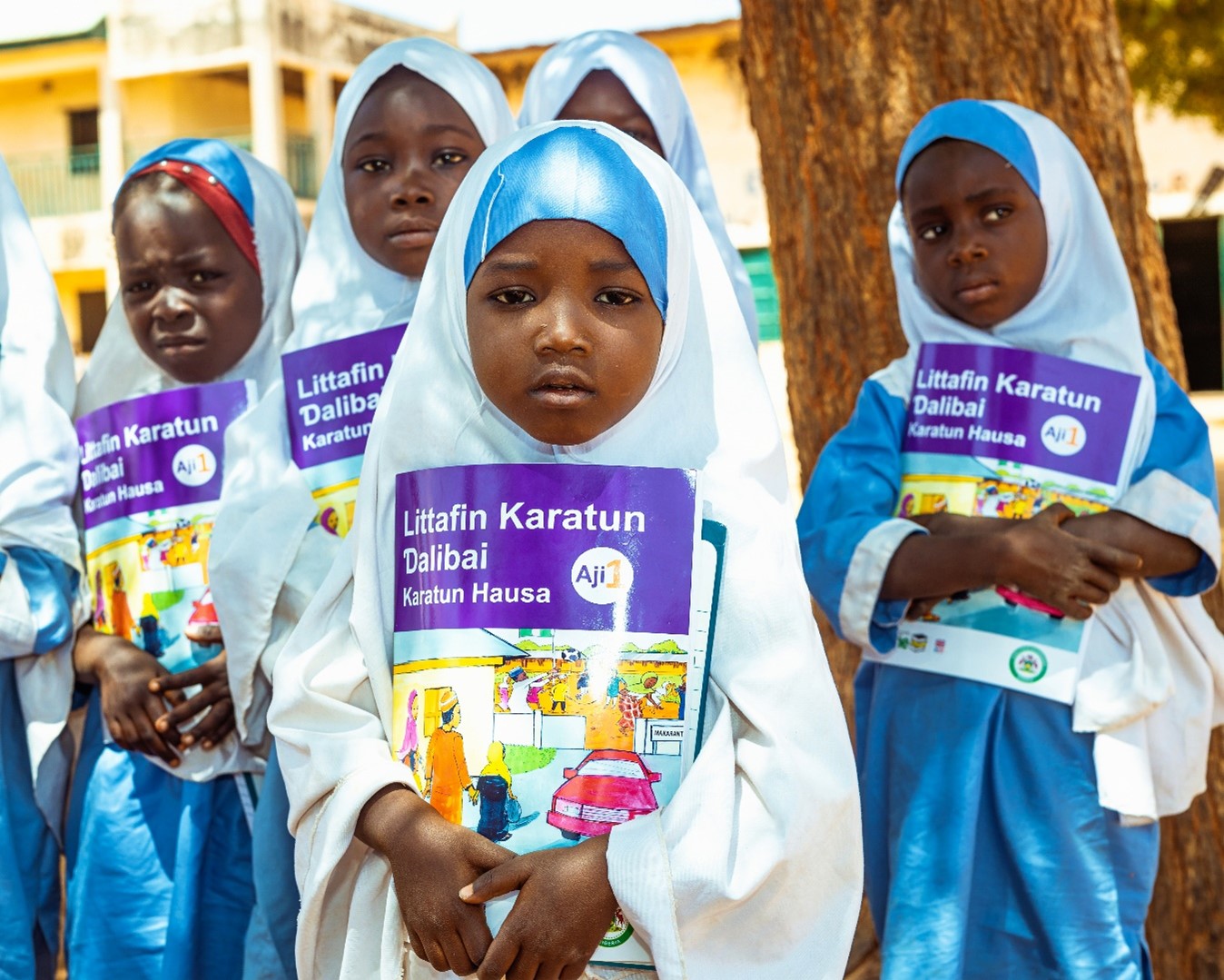
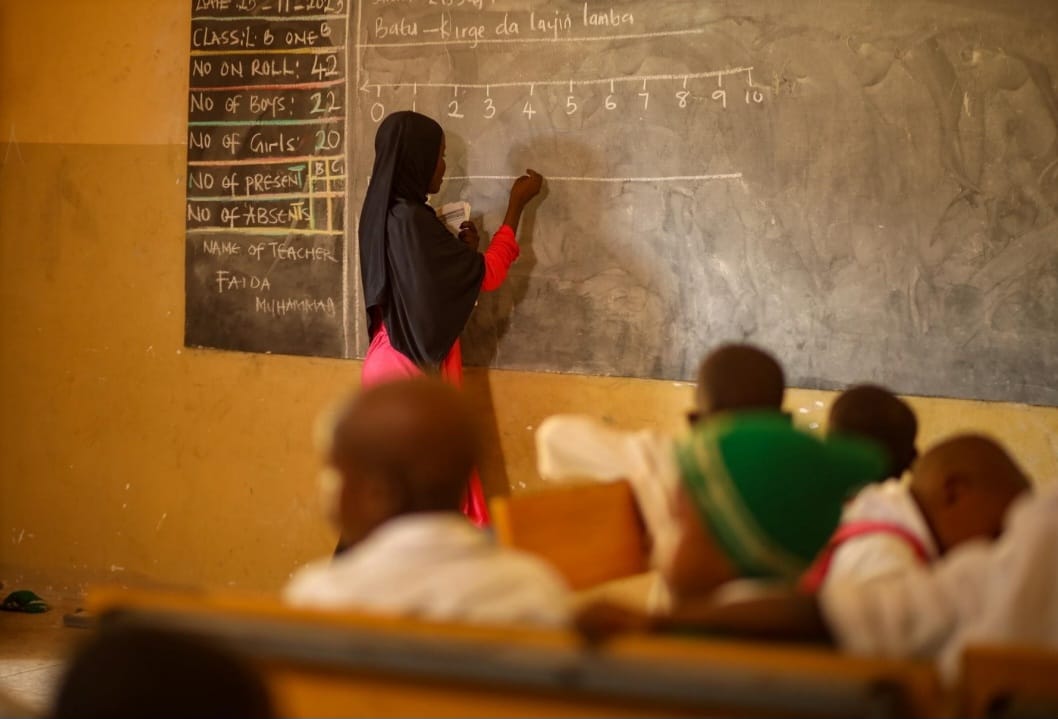
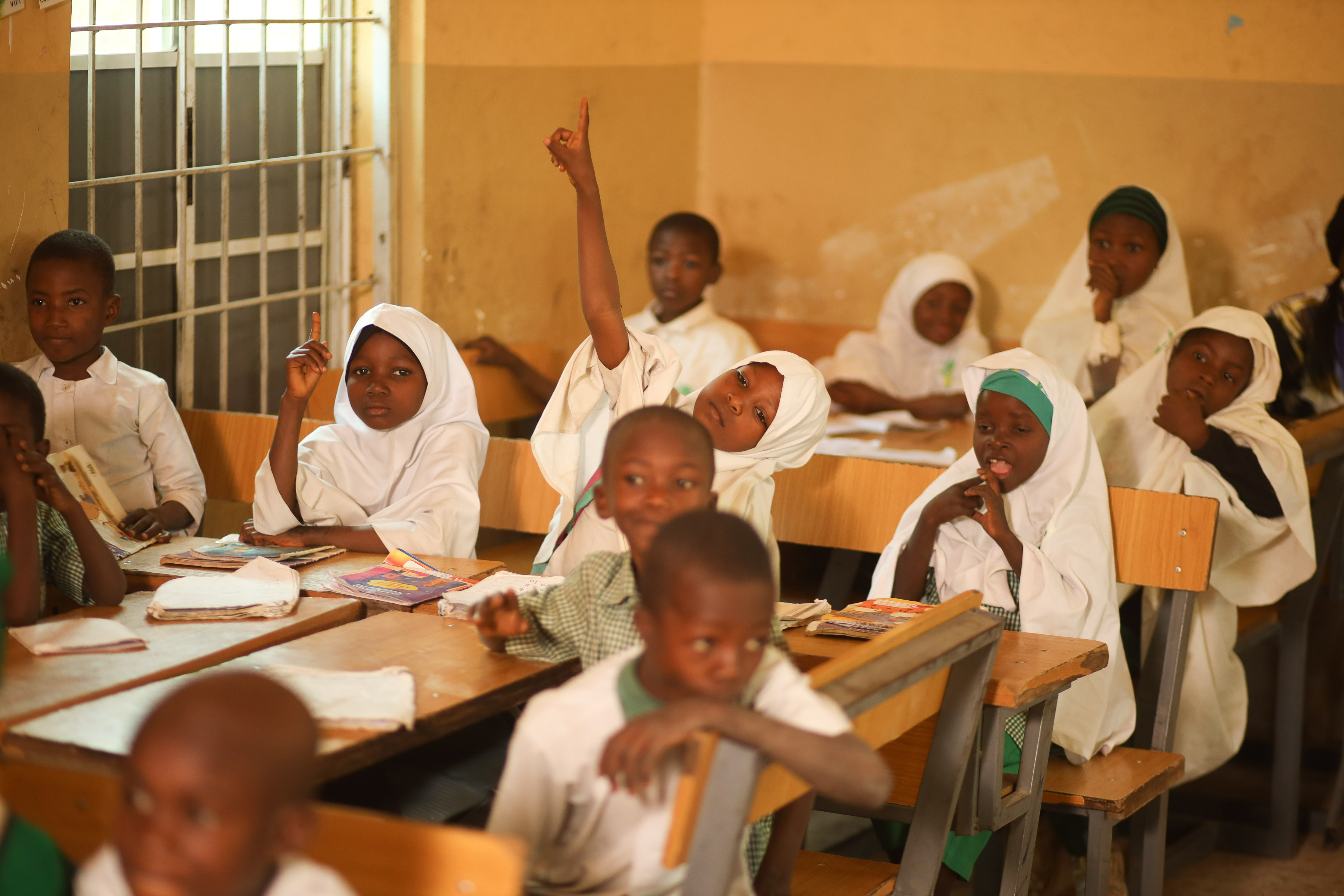
With millions of children out-of-school in Nigeria, many of those currently in school are also not learning as they should. About half of those who attend primary schools, which is constitutionally compulsory and free, do not achieve basic proficiency in literacy and numeracy. In the northern part of the country, the percentage drops even further, with only 10% of 7–14-year-olds in the Northwest and 12% in the Northeast able to read. The learning crisis in Nigeria is fueled by many factors, including overcrowded classrooms, lack of competent teachers, shortage of learning materials in schools, and poor infrastructure. In this paper, we explore how the FCDO-funded Partnership for Learning for All in Nigerian (PLANE) programme is transforming foundational skills education in target states through the adoption of evidence-based instruction and learning materials, ongoing monitoring, and community support.

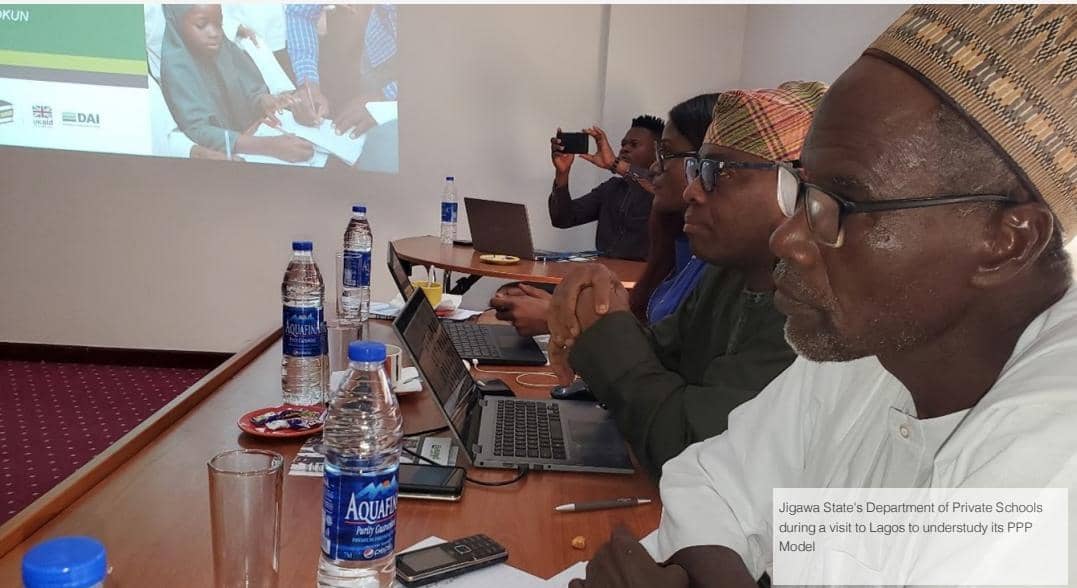
Jigawa Scales Up PLANE’s FLN Interventions

Inspired by the measurable gains achieved through the UK-funded Partnership for Learning for All in Nigeria (PLANE) programme in selected local government areas (LGAs), the Jigawa State Government is scaling up PLANE’s evidence-based foundational learning initiatives across all its 27 LGAs. Building on proven results in seven pilot areas, this expansion includes recruiting and training teachers, reproducing instructional materials, and continuing free education for girls – a major move toward improving learning outcomes for every child.

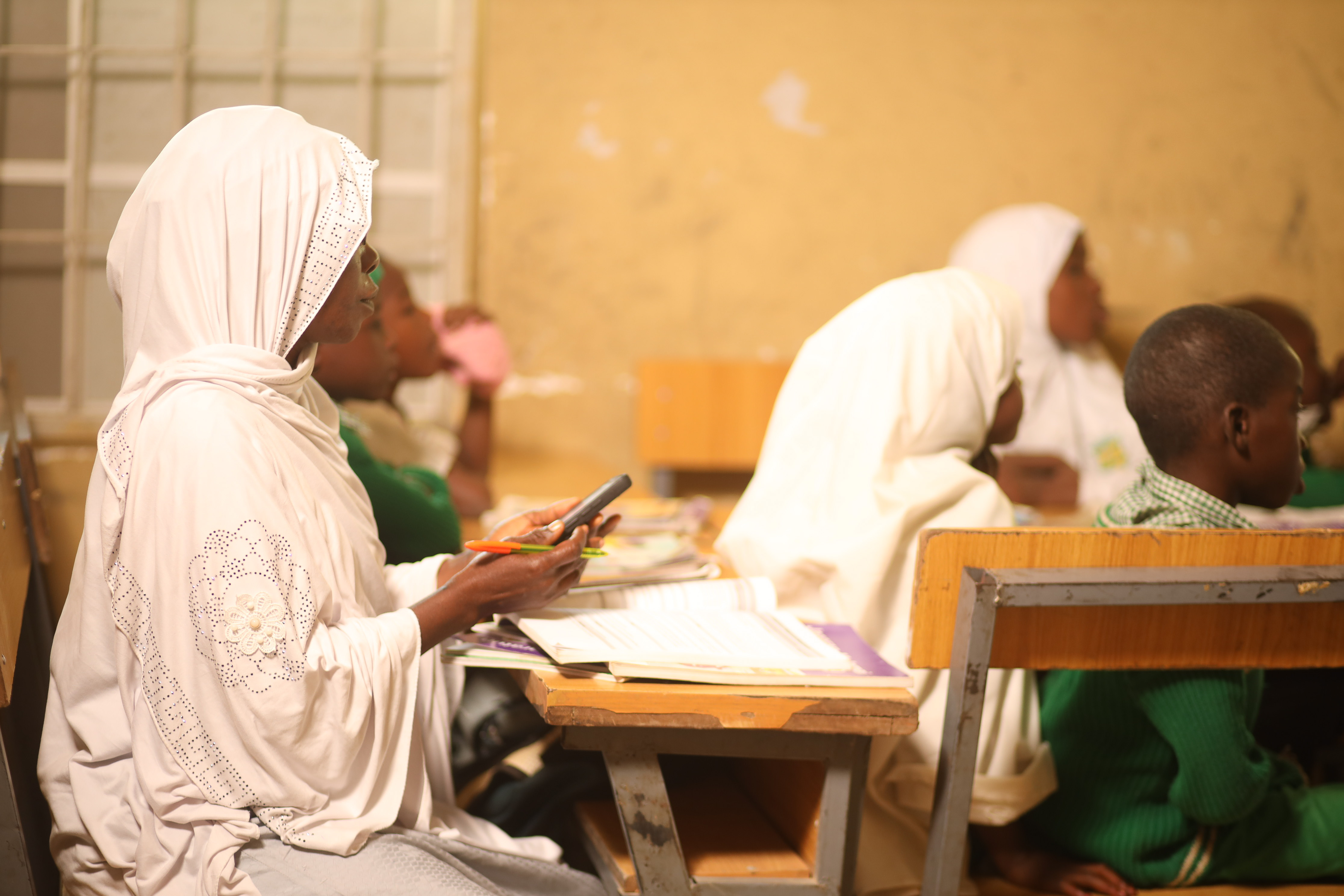
LEARNERS AT THE HOLIDAY CAMP IN KARAYE LGA, KANO STATE, ALONGSIDE TEACHERS AND OTHER SUPPORTING OFFICIALS

Learning with Fun During School Vacation

Learning loss remains a significant challenge in Nigeria, particularly in the northern regions where the academic calendar is frequently disrupted due to factors such as floods, farming seasons and socio-cultural practices. To help children recover lost learning time and provide struggling learners with a chance to catch up outside regular school hours, the Partnership for Learning for All in Nigeria (PLANE) piloted an Accelerated Learning Holiday Camp in December 2024 in Jigawa, Kaduna and Kano states. At least 11,597 pupils (51 percent being girls) participated in the programme, which was held in 300 camps across the three states. Assessments conducted at the end of the camp showed significant improvement in the abilities of the learners. Download to read more.

School Opening and Attendance (SOA) Scoping Final Report

School Opening and Attendance (SOA) Scoping Final Report

Nigeria faces a learning crisis. Over 10 million primary age children are out of school and of those who are enrolled,as many as 40% do not attend regularly. Teacher shortages, inadequate funding and resourcing, lack of capacityin school monitoring and supervision, as well as leadership challenges compound the profound problem ofequitable access to quality basic […]